- Contact The DPO Centre
- +44 (0)203 797 1289
- hello@dpocentre.com

November 9, 2026
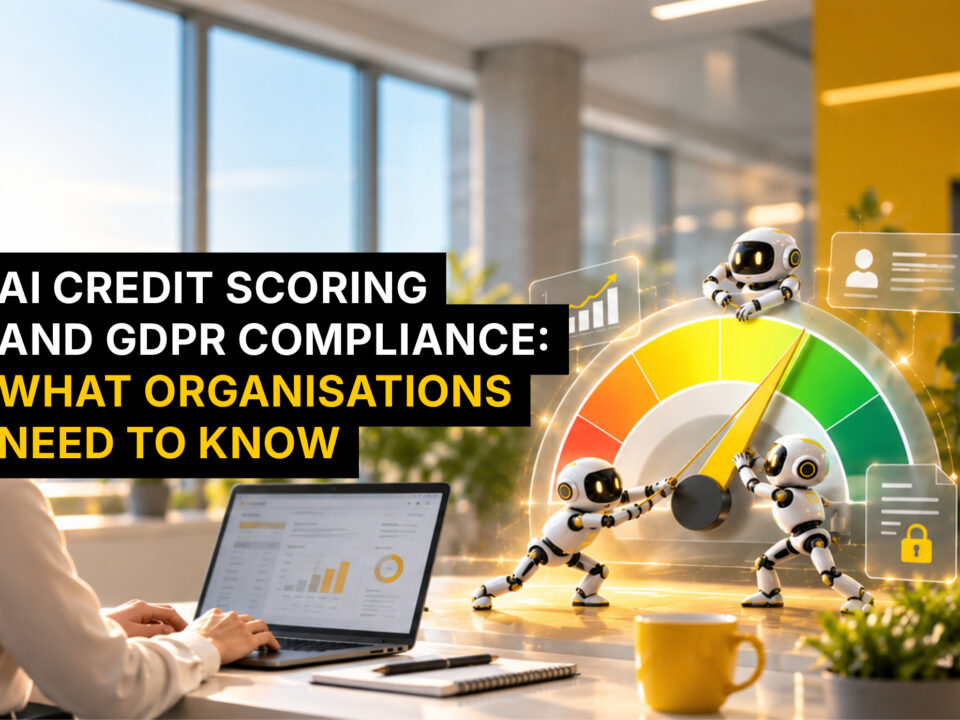
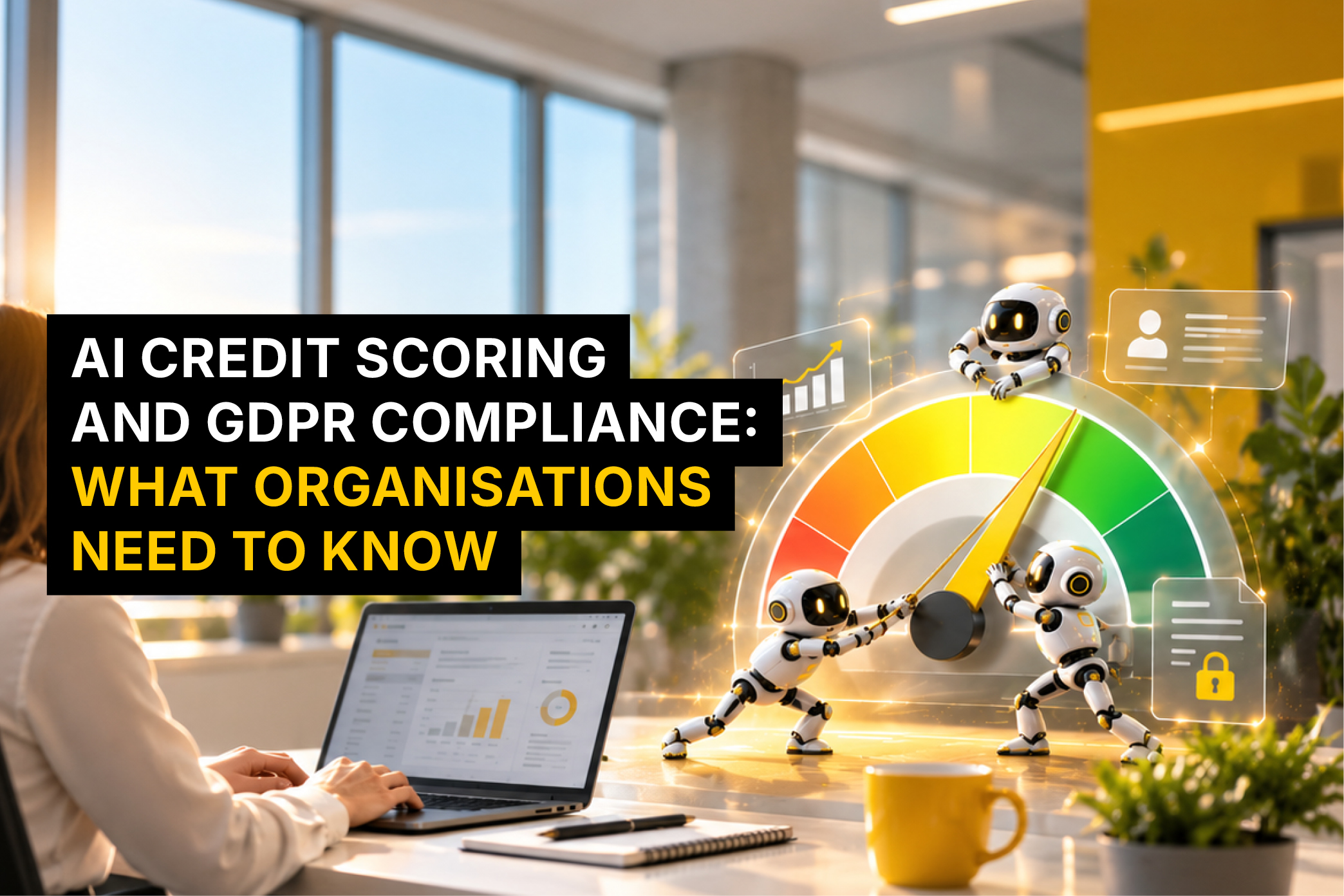
Automated credit scoring is not new. Lenders have long used algorithms to assess creditworthiness, relying on pre-defined rules and traditional credit bureau data.
Modern AI credit scoring represents a fundamental shift in approach. Machine learning models can analyse much larger datasets and identify more complex patterns than traditional scoring systems.
October 26, 2026
Unapproved or unmanaged AI use is often referred to as shadow AI. It can include employees deliberately using tools that have not been approved, as well as AI functionality embedded into software already used across the business.
October 12, 2026

Generative AI is making it much easier for people to create lengthy and highly detailed Data Subject Access Requests (DSARs). Teams are now seeing more of these types of requests, often involving broader searches, with more difficult disclosure decisions to make, all within the same one-month deadline.
However, the use of AI does not change an individual’s right of access, nor does it automatically give organisations grounds to limit or refuse a request.
September 28, 2026
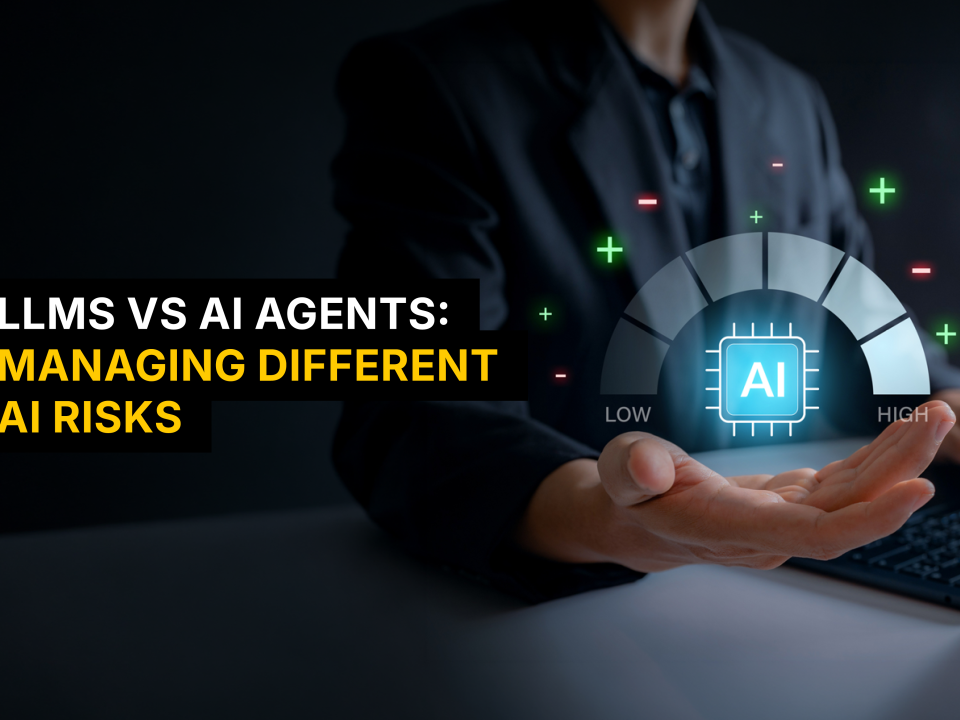
According to the IDC's latest Market Glance on agentic AI ecosystems, 50% of organisations are already deploying AI agents across multiple business areas.
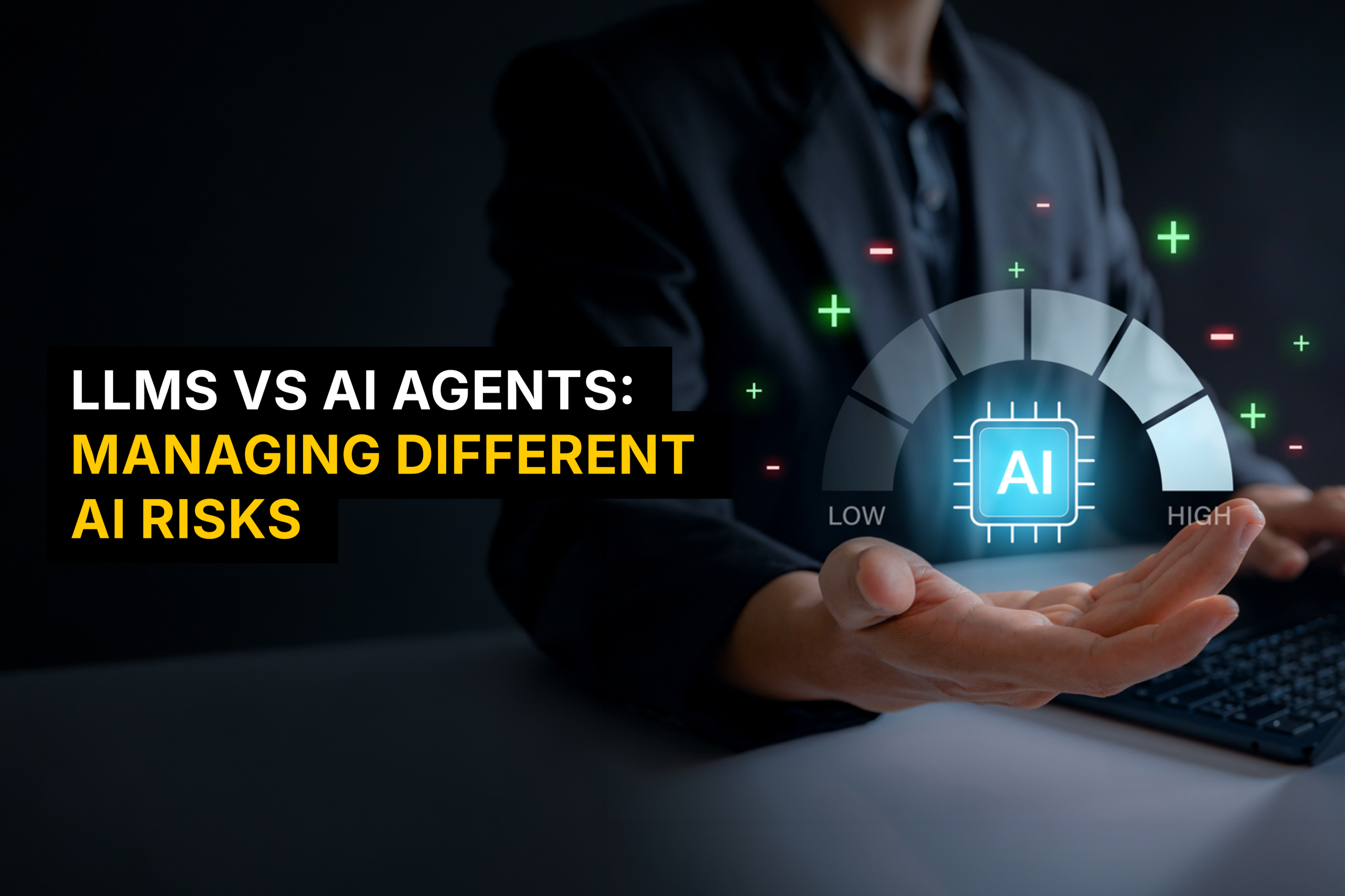
LLMs and AI agents share many of the same underlying risks, including inaccurate outputs, inappropriate data use, bias and security vulnerabilities. The difference is that AI agents are usually given access to organisational data and systems, and the ability to take actions with varying levels of human oversight. This changes both the level of risk and how those risks need to be managed.
August 3, 2026
Education providers are increasingly using artificial intelligence across a wide range of areas from lesson planning and learner support to administrative processes and workforce management.
The UK Government's Post-16 Education and Skills White Paper, published in October 2025, signals that the use of AI across education and skills in England will continue to grow. For education providers, this raises important data protection questions. What personal data is being entered into AI tools? Where is that data stored, who can access it, and how long is it kept? Who is responsible for compliance when a third-party AI tool is involved? And how can providers be transparent with both learners and staff about when AI is used and how their data is handled?
March 16, 2026
From recruitment screening to fraud detection and workforce analytics, AI systems are generating more information about individuals than ever before.
When someone submits a Data Subject Access Request (DSAR), any scores, labels, and predictions made by AI systems about that person may need to be disclosed since they fall within scope of personal data. The challenge is not just disclosing the outputs but explaining them in a way that is meaningful and proportionate.
February 2, 2026
As organisations embed AI into everyday business processes, meeting transparency obligations is becoming more complex. Where AI systems use personal data, Privacy Notices are expected to explain not just what data is processed, but how AI is involved and what that means for individuals.
This shift is driven by emerging AI regulation. Whilst the General Data Protection Regulation requires organisations to provide clear and accessible information about how personal data is used, the EU AI Act introduces additional requirements around making AI systems visible, understandable, and subject to appropriate human oversight. Together, these frameworks are reshaping what meaningful transparency looks like when AI is involved.
January 19, 2026
According to PWC’s 2025 AI agent survey, 79% of the senior executives surveyed confirmed that AI agents are already being adopted in their companies. These systems do more than simply support decision-making. Unlike LLMs or chatbots, agents can autonomously retrieve information, interact with systems, and act with limited human input.
This level of autonomy changes the risk profile and raises new governance, data protection, and accountability challenges. The biggest risk for any organisation is not the use of AI agents, but deploying them without the frameworks, skills and oversight needed to manage their impact.
December 19, 2025
Data protection and AI compliance have become increasingly intertwined this year as organisations scale AI into core products and processes. Although AI systems have always relied on datasets, the deployment of more sophisticated models into business-critical processes has increased the volume, sensitivity, and impact of that data. This shift means issues such as lawful personal data use, transparency, fairness, and explainability have become crucial elements for effective AI governance.
November 10, 2025
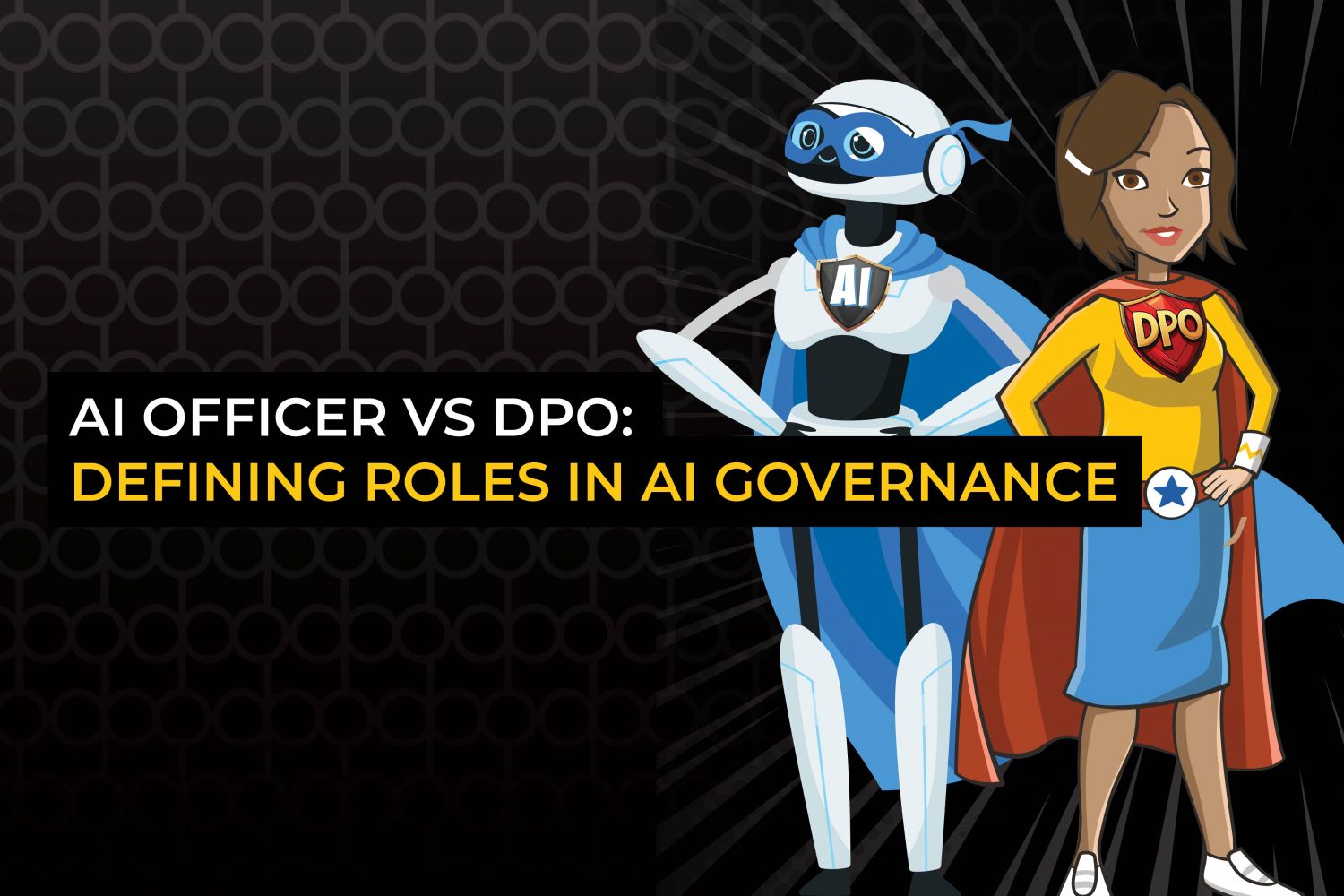

According to McKinsey’s latest global survey on AI, over 75% of organisations now use AI in at least one business function. As adoption accelerates, questions around accountability and oversight are becoming more pressing.
Many organisations are beginning to formalise their AI governance structures by expanding their Data Protection Officer (DPO) responsibilities or appointing a dedicated AI Officer. But which approach is most effective?