
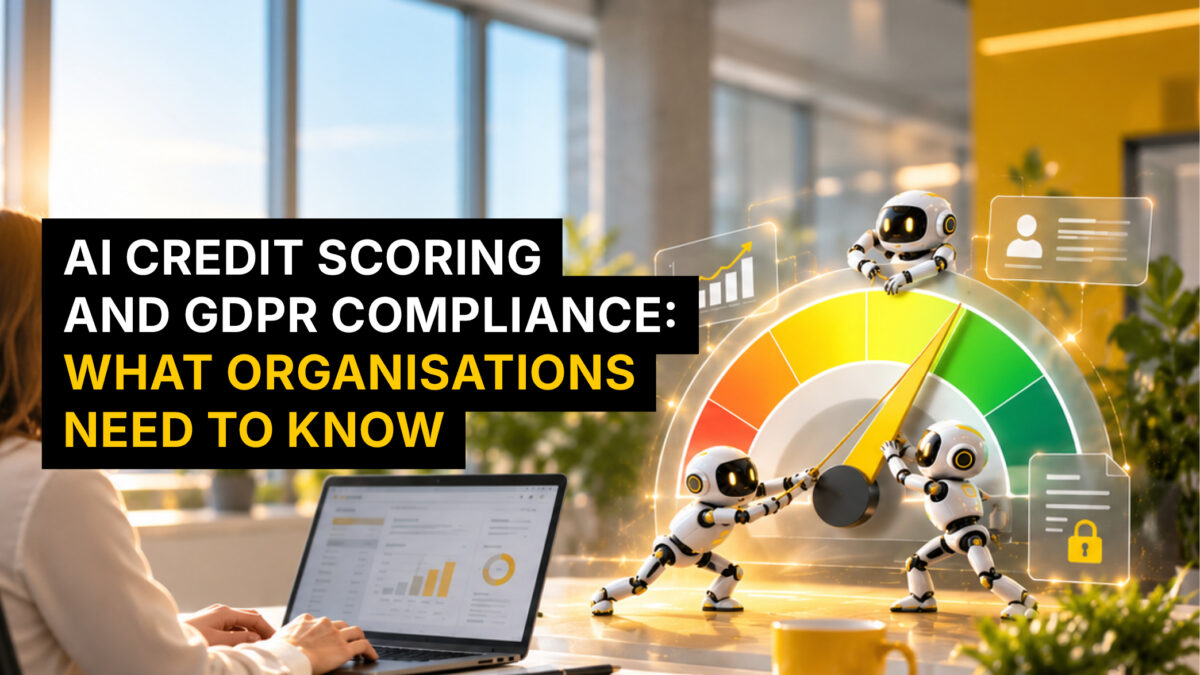
Automated credit scoring is not new. Lenders have long used algorithms to assess creditworthiness, relying on pre-defined rules and traditional credit bureau data.
Modern AI credit scoring represents a fundamental shift in approach. Machine learning models can analyse much larger datasets and identify more complex patterns than traditional scoring systems. However, where AI influences access to credit, errors or unfair outcomes can have a significant impact on individuals. Organisations therefore need to understand how personal dataInformation which relates to an identified or identifiable natural person. is being used, how much weight to give to AI determined outcomes, and what safeguardsWhen transferring personal data to a third country, organisations must put in place appropriate safeguards to ensure the protection of personal data. Organisations should ensure that data subjects' rights will be respected and that the data subject has access to redress if they don't, and that the GDPR principles will be adhered to whilst the personal data is in the... are in place.
This blog explores the main GDPR risks of AI credit scoring and how organisations can use these systems compliantly, including the different requirements that apply under UK and EU data protection lawAny law, statute, declaration, decree, directive, legislative enactment, order, ordinance, regulation, rule or other binding restriction (as amended, consolidated or re-enacted from time to time) that relates to the protection of individuals with regards to the Processing of personal data..