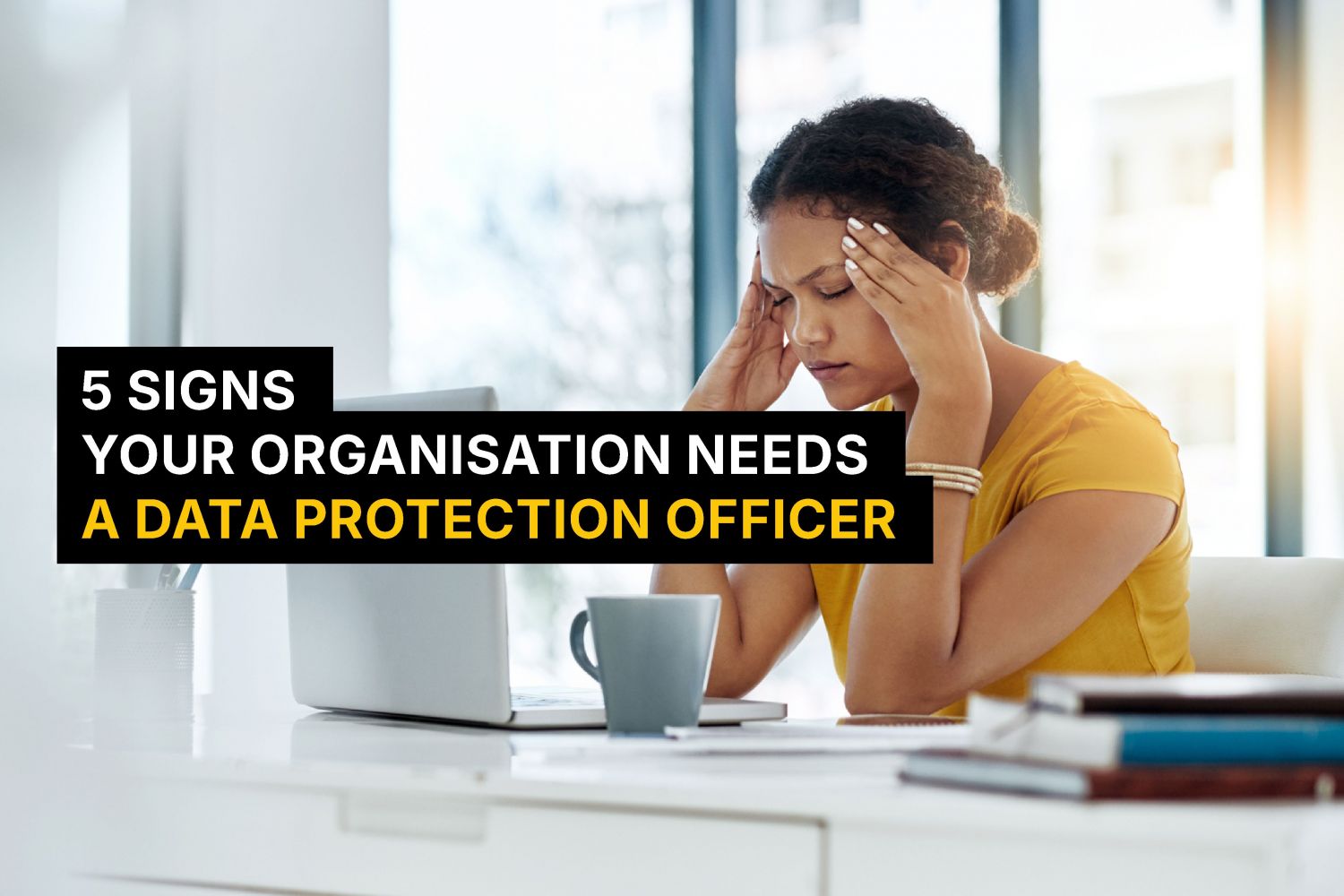
It’s easy to assume that a Data Protection Officer (DPO) is only necessary for large organisations or those operating in highly regulated sectors. As a result, many organisations rely on support from legal, compliance, or IT teams, rather than appointing a dedicated privacy professional.
That can work for a while, but as businesses grow, so do the data protection responsibilities. For example, introducing new technologies, launching new products and services, or using more third-party suppliers can all create privacy risks that ad hoc support cannot manage.
Whilst the General Data Protection RegulationRegulation (EU) 2016/679 of the European Parliament and of the Council of 27 April 2016 on the protection of natural persons with regard to the processing of personal data and on the free movement of such data (General Data Protection Regulation). (GDPR) only requires a mandatory DPO in certain circumstances, the legal requirement is not the only reason to appoint one. A DPO can help your organisation make better-informed decisions, respond to customers and stakeholders with confidence, and avoid compliance gaps becoming business problems.